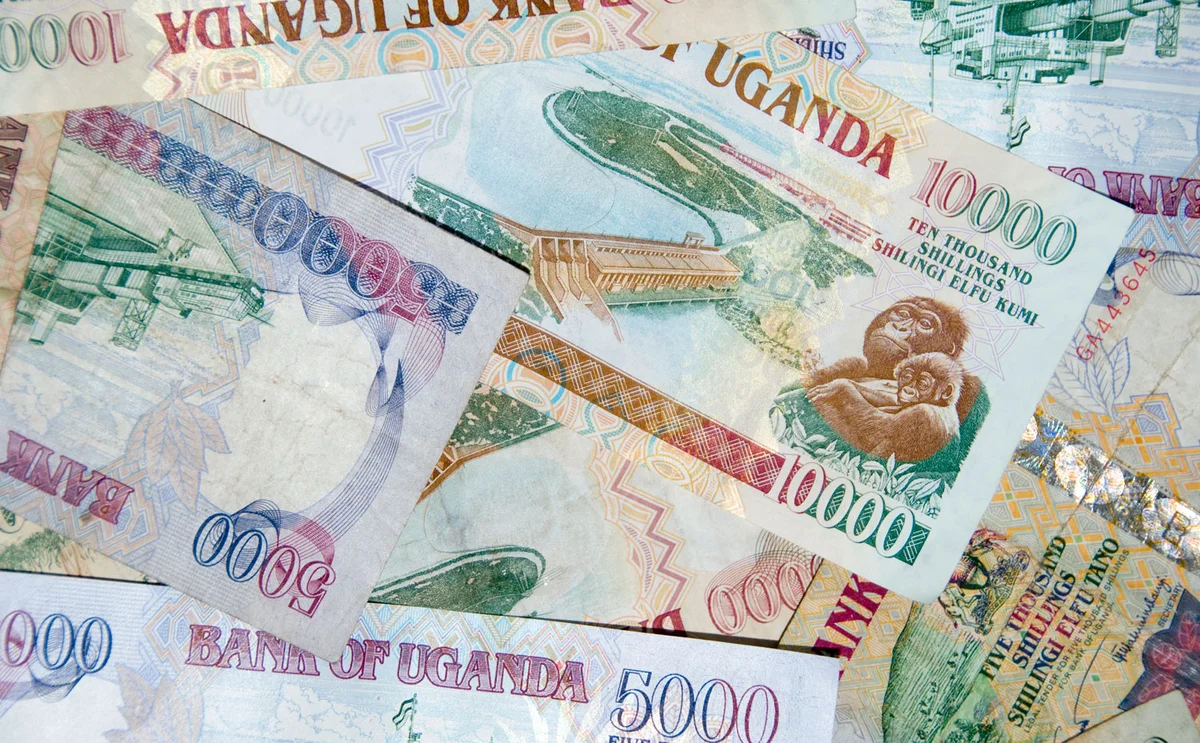
Uganda's finance minister has appealed to citizens to stay level-headed as the country's currency weakens sharply, warning that fearful reactions could worsen the situation. Speaking to parliament on October 27, Henry Musasizi asked Ugandans to "remain calm, avoid panic-driven decisions and make informed financial choices," according to Central Banking.
The minister said his ministry's position was unambiguous, urging the public to steer clear of rushing to buy foreign currency, trading on speculation fuelled by rumours, and other conduct that could intensify near-term strain on the shilling.
Why it matters
The shilling's slide is not only a currency-market story. Reporting from Daily Monitor indicates the depreciation has added trillions to the cost of Uganda's external debt bill, meaning the weaker exchange rate feeds directly into the government's fiscal position. Bloomberg, meanwhile, reported that the plunging shilling has pushed Uganda to draw on a modest reserves buffer.
For ordinary households, the pressure is already visible. The Uganda Observer reported that soaring fuel and commodity prices have forced many Ugandans into a daily survival mode, with essentials consuming a growing share of incomes.
Musasizi's call for restraint is therefore aimed at both the currency market and the public mood. Panic buying of dollars, in his framing, is a self-fulfilling risk: it tightens supply and can deepen the very depreciation people fear.
Interventions outlined to parliament
Alongside his appeal for calm, the minister used his parliamentary statement to set out the interventions his ministry is pursuing in response to the currency's decline, NewVision.co.ug reported. The specifics of those measures were not detailed in the reporting summarised here.
What is clear is the government's preferred emphasis: behaviour and expectations, not just policy mechanics. Musasizi's remarks placed significant weight on how citizens and traders respond, suggesting officials see speculative and fear-driven activity as a meaningful contributor to short-term pressure on the shilling.
Central Banking reported the minister's statement and his call for informed financial choices among the public.
A strain on reserves and budgets
The currency's fall has consequences that stretch beyond exchange-rate charts. According to Bloomberg, Uganda has been forced to tap its reserves — described as a meager war chest — as the shilling continues to plunge. Drawing down reserves is a standard defensive move for central banks facing currency pressure, but it leaves less room for manoeuvre if the slide continues.
Daily Monitor's reporting points to the debt channel: a weaker shilling makes servicing foreign-currency obligations more expensive in local terms, adding trillions to the external debt bill. That dynamic can constrain budget space at precisely the moment when higher import costs are squeezing households.
The Uganda Observer's account of daily life under rising fuel and food prices illustrates how currency movements transmit into kitchens and fuel stations. For many Ugandans, the exchange rate is not an abstract indicator but the reason a litre of fuel or a bag of staples costs more than it did before.
What to watch
The coming weeks will show whether the minister's appeal for calm steadies expectations, or whether reserve drawdowns and debt costs keep the shilling under pressure. Watch for further detail on the interventions Musasizi outlined to parliament, and for any signals from the central bank on how long its reserves can absorb the strain.